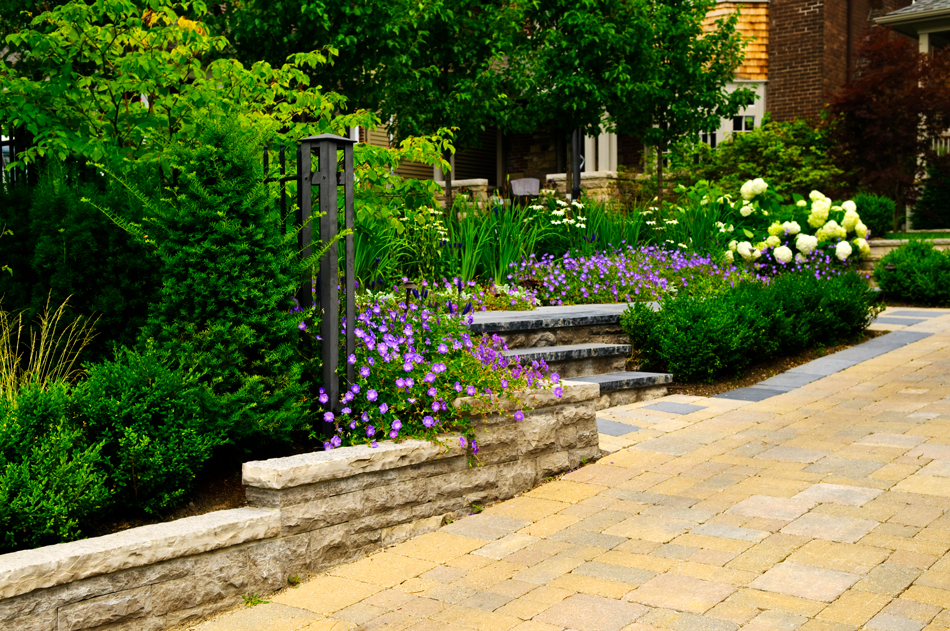
If you’re thinking about updating your outdoor space, hardscape can mean a lot of different things: patios, walkways, retaining walls, outdoor steps, seating areas, fire pits, and more. The hard part isn’t knowing what’s possible—it’s knowing what actually makes sense for your yard.
At Elmer’s Lawn & Garden, we help Northern Virginia homeowners in places like Manassas, Woodbridge, and Fairfax turn vague ideas (“we want a nicer backyard”) into a practical hardscape plan that fits the property, the way you live, and your budget. Choosing the right hardscape features starts with asking the right questions.
Step 1: Decide How You Really Want to Use the Space
Before you worry about materials or designs, focus on how you want to use your yard day to day.
Ask yourself:
- Do you want a place to sit and eat outside, or just a small spot for a grill?
- Do you need a safe, solid path from the driveway to the front door or around the side of the house?
- Do kids or pets need room to play, or do you want a larger entertaining space?
- Do you host large gatherings, or is it usually just a few people?
Common hardscape priorities we see:
- Entertaining and outdoor dining: A patio with room for a table, grill, and maybe a fire feature.
- Safer access and better traffic flow: Walkways from driveway to front door, to backyard gates, or between different parts of the property.
- Solving slope and erosion issues: Retaining walls, steps, or terraced areas where the yard drops off.
Once you’re clear on function, it becomes much easier to narrow down which hardscape elements are actually worth doing.
Step 2: Look Honestly at Your Yard’s Layout and Challenges
Every Northern Virginia yard has quirks: slopes, tight side yards, big trees, drainage problems, or HOA constraints. The existing layout will influence which hardscape features fit and how they need to be built.
To get the most out of your landscape design, take a quick inventory of your yard’s natural layout:
- Grades and Slopes: Steep areas often need steps, retaining walls, or terracing before you can have a truly usable patio.
- Natural Traffic Patterns: Where people already walk—and where they should walk—to avoid mud, roots, or wear on the lawn.
- Sun and Shade: A patio that bakes in full afternoon sun may need a pergola, shade sail, or a different placement.
- Access for Construction: Room to bring in materials and equipment without tearing up the whole yard.
Sometimes the right hardscape feature is the one that solves the most stubborn problem first—like stabilizing a slope or creating a clean, safe route between key doors—then you can add “nice-to-have” elements later.
Step 3: Match Hardscape Types to Your Priorities
Here’s how we typically think about common hardscape elements in Northern Virginia yards:
Patios
Best for:
- Outdoor dining and lounging
- Putting the grill or outdoor kitchen on a stable surface
- Transition space between the house and lawn
We design patios to be large enough for real furniture and easy circulation—not just a slab that barely fits a table.
Walkways
Best for:
- Clean, safe routes from driveway to front door
- Side yard access to backyard gates, decks, or sheds
- Connecting patios, play areas, and other features
Walkways should feel natural and intuitive—people tend to follow the most direct line, so we design paths that work with those habits instead of fighting them.
Retaining Walls and Steps
Best for:
- Managing steep slopes
- Creating level lawn, play areas, or patio spaces
- Protecting against erosion and keeping soil where it belongs
In many older Northern Virginia neighborhoods, yards have more grade change than it seems at first glance. A well-built wall or set of steps can make previously “off limits” parts of the yard actually usable.
Seating Walls and Edging
Best for:
- Extra seating around patios and fire pits
- Cleaner, more defined bed edges
- Visual structure without taking up much space
Seating walls can be a nice way to add function without having to store more furniture, especially in smaller yards.
Step 4: Choose Materials That Fit Your Home and Neighborhood
Once you know the what and where, it’s time to think about how it will look.
Common choices in Northern Virginia include:
- Concrete pavers: Durable, versatile, and available in many colors and styles; good for patios and walks.
- Natural stone: Flagstone and other stone options that work well with traditional or high-end homes.
- Brick: A classic look that often ties in well with existing brick facades or front steps.
- Segmental wall blocks: For retaining and seating walls that can be engineered correctly and still look clean.
We usually recommend materials that:
- Match or complement your home’s architecture and existing materials.
- Are allowed by your HOA, if applicable.
- Hold up well through freeze‑thaw cycles and heavy use.
Step 5: Build a Realistic Plan and Phase If Needed
Not every project needs to be done in one shot. In many cases, we help homeowners phase work over multiple seasons.
A typical sequence might look like:
- Solve any major drainage or grade issues and install key walls/steps.
- Add the main patio or walkway that changes how you use the space most.
- Layer in secondary paths, seating walls, and lighting.
- Finish with plantings and lawn work around the hardscape.
This approach spreads out cost and disruption while still moving you toward a complete, cohesive yard.
How Elmer’s Lawn & Garden Can Help
If you know you want something hardscaped but aren’t sure where to start, that’s normal. Our job at Elmer’s Lawn & Garden is to understand how you want to use the space, and help you decide whether a patio, walkway, wall, or combination makes the most sense.
We design and install hardscapes that work with Northern Virginia’s climate, your home’s style, and your day‑to‑day life—not just how the yard looks in a photo.
If you’re ready to explore options for your own property, reach out to schedule a consultation and talk through what’s possible in your yard.
 Skip to content